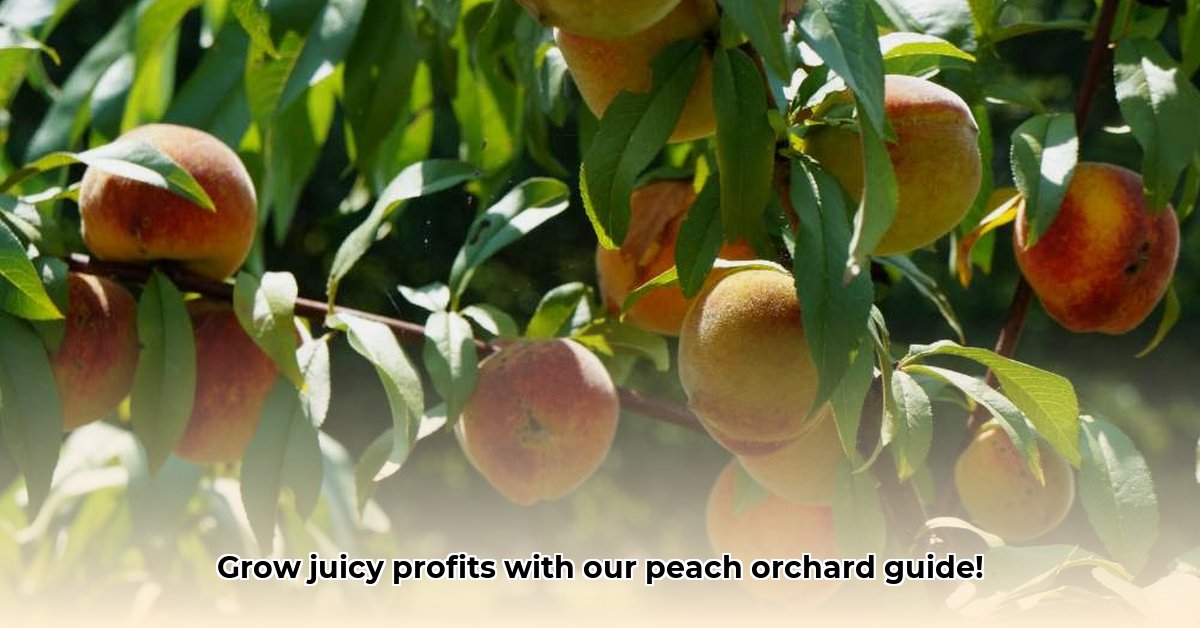
Consumers are increasingly seeking sustainably grown produce, creating a significant opportunity for peach farmers. However, challenges like climate change and pest infestations demand innovative, environmentally friendly approaches. This guide, using Tractor Supply resources, equips you with the knowledge and strategies to cultivate a thriving, profitable, and sustainable peach orchard. We'll cover everything from selecting the right tree varieties to implementing long-term climate adaptation strategies. For additional resources on sustainable farming practices, check out this helpful guide.
Choosing the Perfect Peach Trees: Building a Strong Foundation
Selecting the right peach tree is paramount to orchard success. Tractor Supply offers a range of cultivars, each with unique attributes tailored to specific climates and pest resistances. Don't just choose any tree; consider your region's "chill hours" (hours below 45°F during winter). Different varieties require varying chilling periods for optimal fruit production. Tractor Supply's website or in-store experts can guide you in selecting a variety suited to your specific location and needs. Prioritize disease-resistant varieties to minimize future problems and maximize yields. High-quality images and detailed descriptions available at Tractor Supply will aid in this crucial decision. Isn't having a head start on healthy trees a worthwhile investment?
Smart Irrigation: Optimizing Water Use for Maximum Yield
Efficient irrigation is vital for peach tree health and yield. Wasted water translates to wasted resources and increased costs. Several methods exist, each with its own pros and cons:
| Irrigation Method | Pros | Cons |
|---|---|---|
| Drip Irrigation | Highly efficient water use, delivers water directly to roots, reduces weeds | Higher initial cost, potential for clogging, may not suit all terrains |
| Micro-Sprinklers | Relatively inexpensive, even water distribution, less weed growth | Higher water consumption than drip, less efficient in windy conditions |
| Overhead Sprinklers | Easy installation, covers large areas quickly | High water loss through evaporation and runoff, promotes fungal diseases |
The ideal method depends on your budget, orchard size, and water availability. Drip irrigation, despite higher upfront costs, often proves most water-efficient long-term. Carefully consider your long-term budget and maintenance commitments before making a decision. Did you know that drip irrigation can save up to 50% of water compared to overhead sprinklers?
Integrated Pest Management (IPM): A Natural Approach to Pest Control
Chemical pesticides harm the environment and can impact fruit quality. Integrated Pest Management (IPM) offers a safer, sustainable alternative. IPM emphasizes prevention and uses a combination of techniques to minimize pest infestations. Begin by diligently monitoring your trees for signs of pests and diseases; early detection is critical. Tractor Supply likely carries beneficial nematodes and other biological control agents that combat pests naturally. Consider companion planting and introducing natural predators such as ladybugs to control aphid populations. IPM aims not to eliminate all pests, but to keep their numbers manageable, preventing significant damage to your orchard. Isn't a healthy, pesticide-free peach a more desirable product?
Soil Health and Nutrient Management: Nourishing Your Trees for Abundance
Healthy soil is the cornerstone of a thriving orchard. Before planting, conduct a soil test to identify nutrient deficiencies. Amend the soil with organic matter, such as compost or well-rotted manure, to improve structure, aeration, and water retention. Utilize organic fertilizers that release nutrients gradually, providing sustained nourishment to your trees. Avoid harsh chemicals that can damage the soil ecosystem and harm beneficial organisms. A rich, healthy soil translates directly to stronger, more productive peach trees. Did you know that healthy soil can increase peach yields by up to 20%?
Planning for the Long Term: Climate Change Adaptation Strategies
Climate change presents significant challenges to agriculture. Extreme weather events, such as droughts and heat waves, are becoming more common. However, proactive measures can mitigate these risks. Invest in climate-resilient rootstocks that demonstrate greater tolerance to drought and extreme temperatures. Utilize data-driven decision-making tools, such as weather forecasts and soil moisture sensors, to inform irrigation and other management practices. Stay informed about ongoing research on climate-resistant varieties and emerging agricultural technologies for future improvements. Adapting to climate change is not just about survival; it is about securing the long-term profitability and sustainability of your orchard.
“Sustainable farming isn't just about being environmentally responsible; it’s about building a resilient and profitable business for the long haul.” - Dr. Anya Petrova, Agricultural Sustainability Expert, University of California, Davis.
By following these guidelines and leveraging the resources available at Tractor Supply, you can cultivate a profitable and sustainable peach orchard that thrives for years to come. Remember, responsible practices benefit not only the environment but also your bottom line.